
- Detta evenemang har redan ägt rum.
Aman Mela 2026 Stockholm (Aman = fred, Mela = festival eller sammankomst)
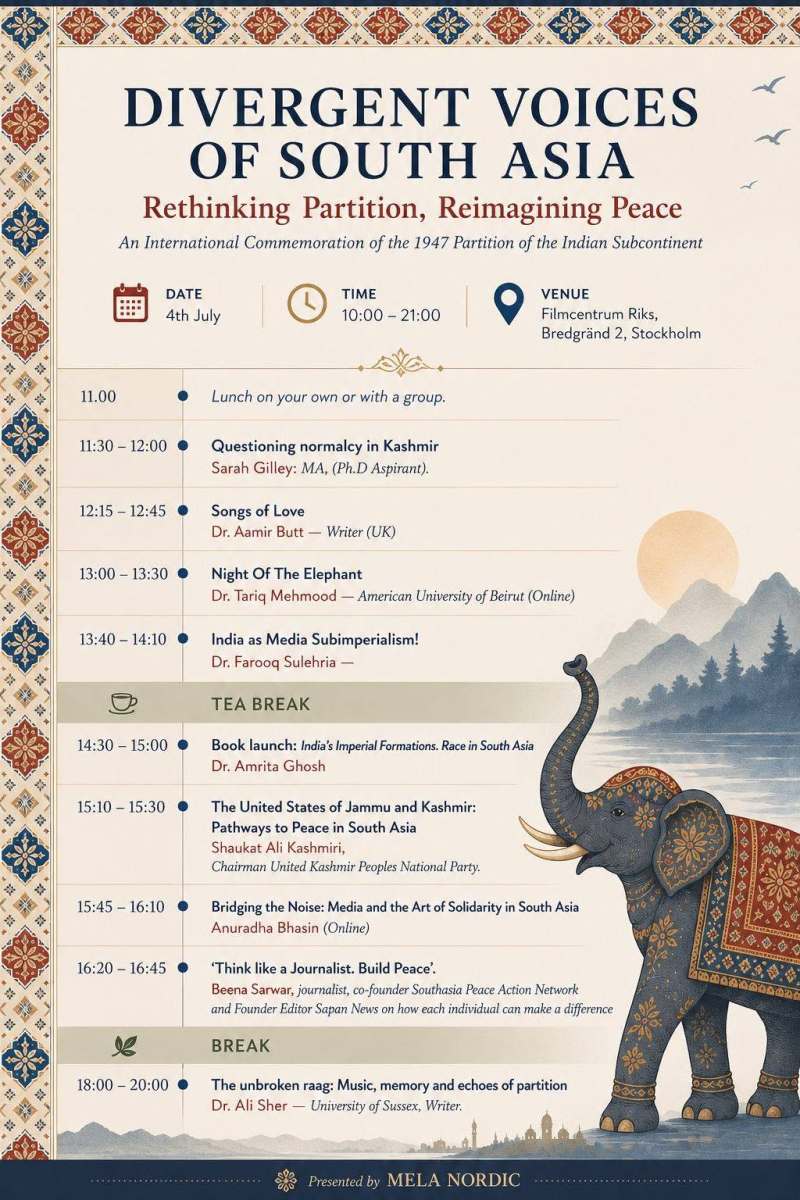
Divergent Voices of South Asia
Att ompröva delningen, att föreställa sig fred
En internationell minneshögtid över delningen av den indiska subkontinenten 1947
Mela Nordic, en sydasiatisk kulturförening i Norden, har äran att presentera Divergent Voices of South Asia – en internationell sammankomst till minne av delningen av den indiska subkontinenten 1947, som födde Indien och Pakistan mitt i djupa mänskliga omvälvningar och avslutade det brittiska kolonialstyret. Med rötter i Mela Nordics vision om en blomstrande sydasiatisk gemenskap, där kulturell mångfald firas och ömsesidig respekt är grunden, rör sig evenemanget bortom de välbekanta motsatserna i delningens stora berättelser. I en tid då splittrande retorik fortsätter att forma det offentliga minnet och det politiska samtalet samlar vi forskare, konstnärer, författare och aktivister för att undersöka den kreativitet, solidaritet och synkretism som ger oss andra sätt att förstå vårt gemensamma förflutna – och vår gemensamma framtid.Vår vägledande fråga
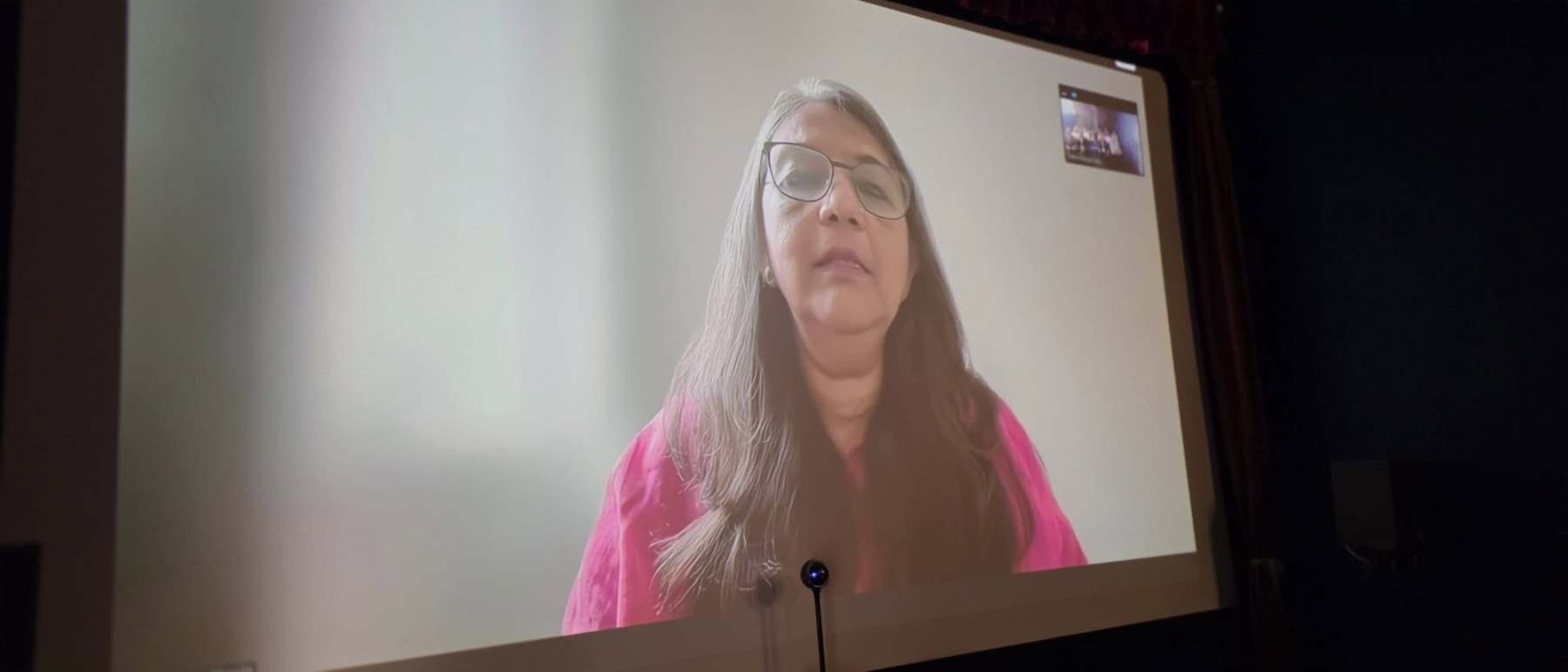
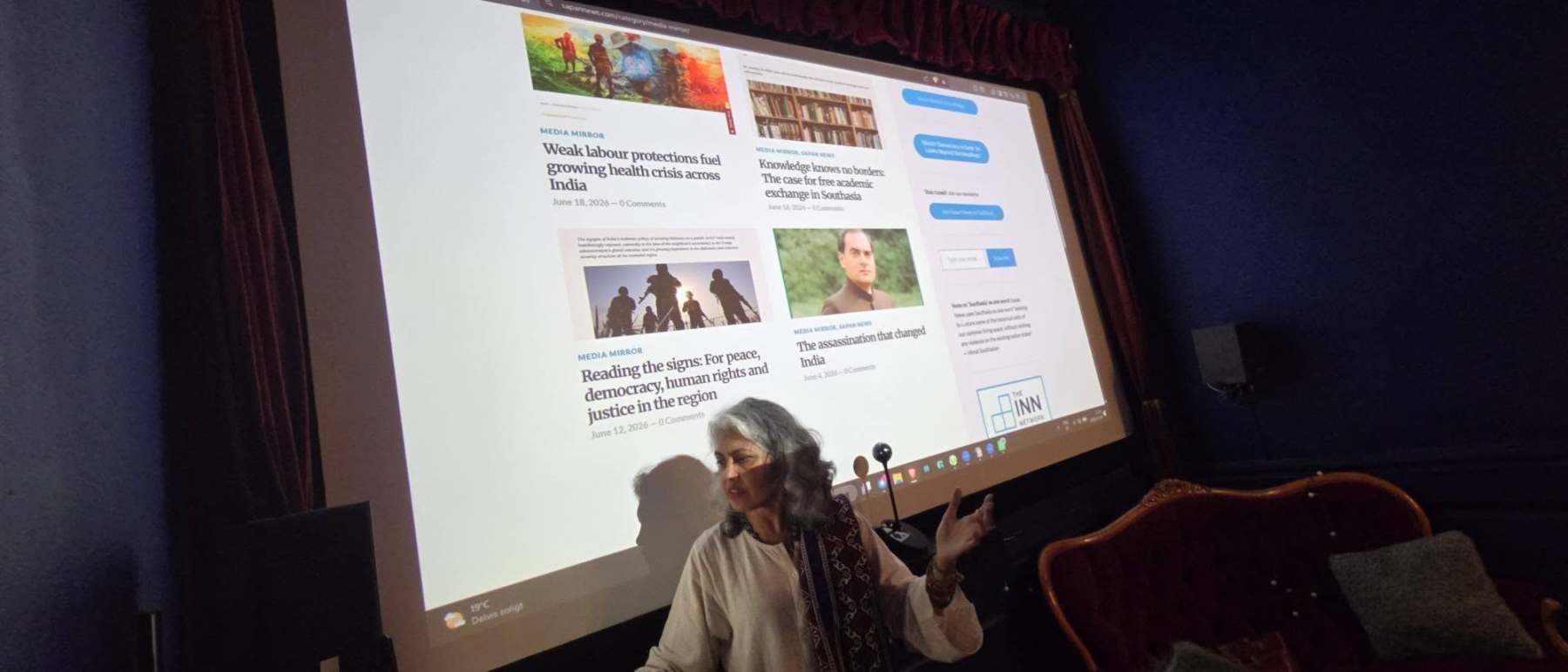
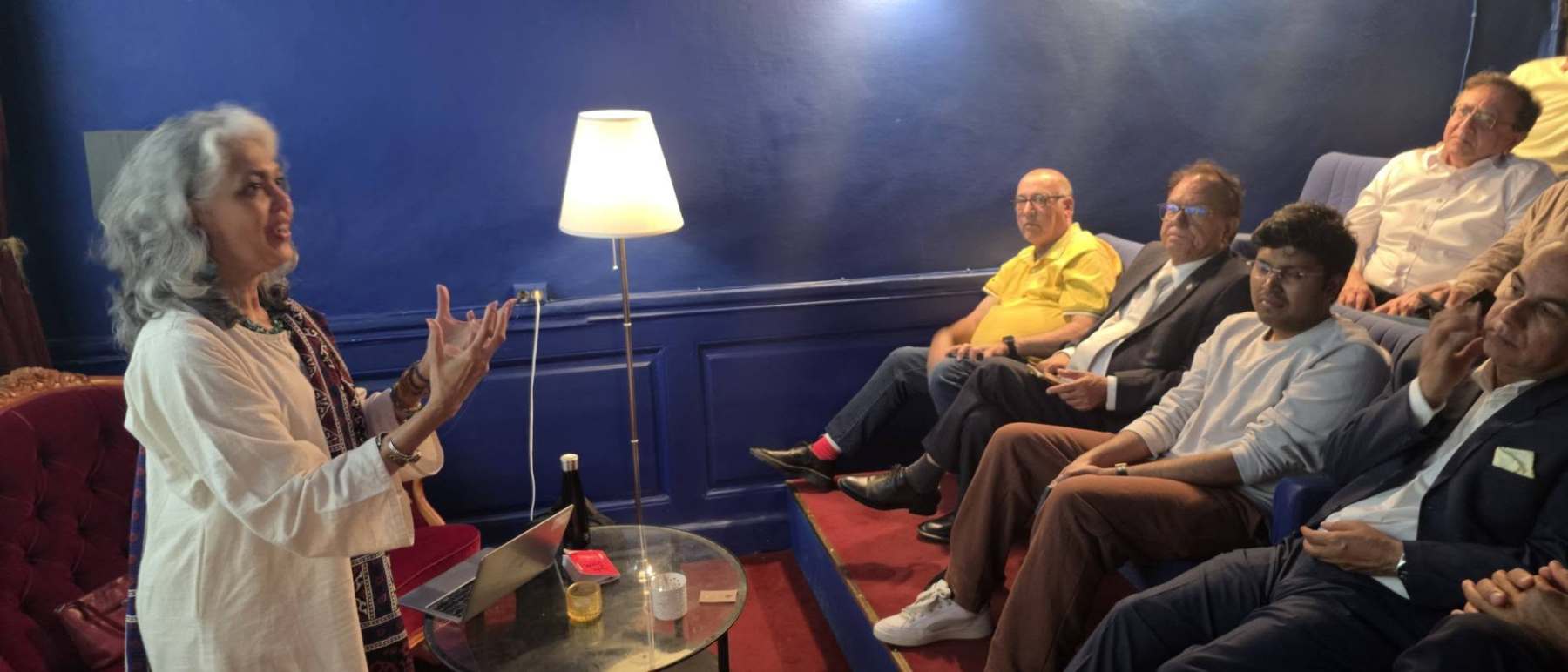
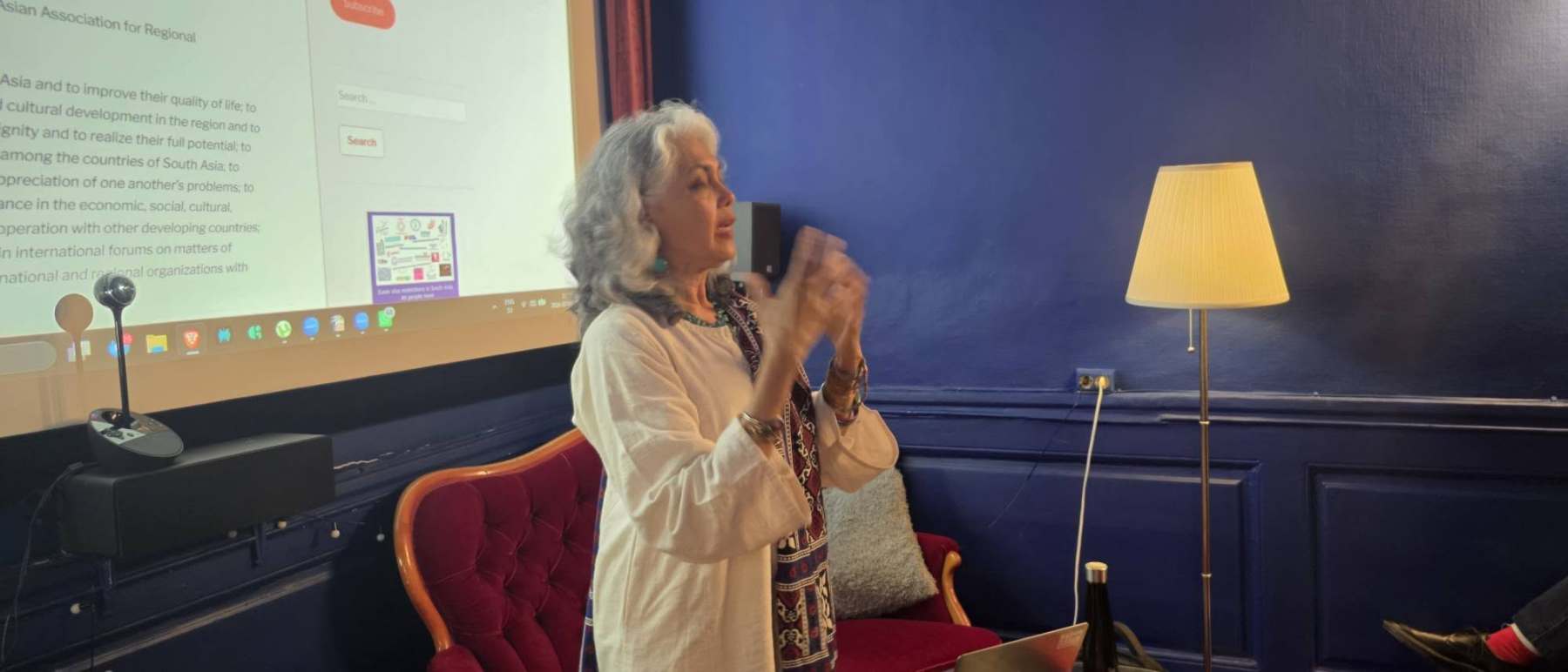
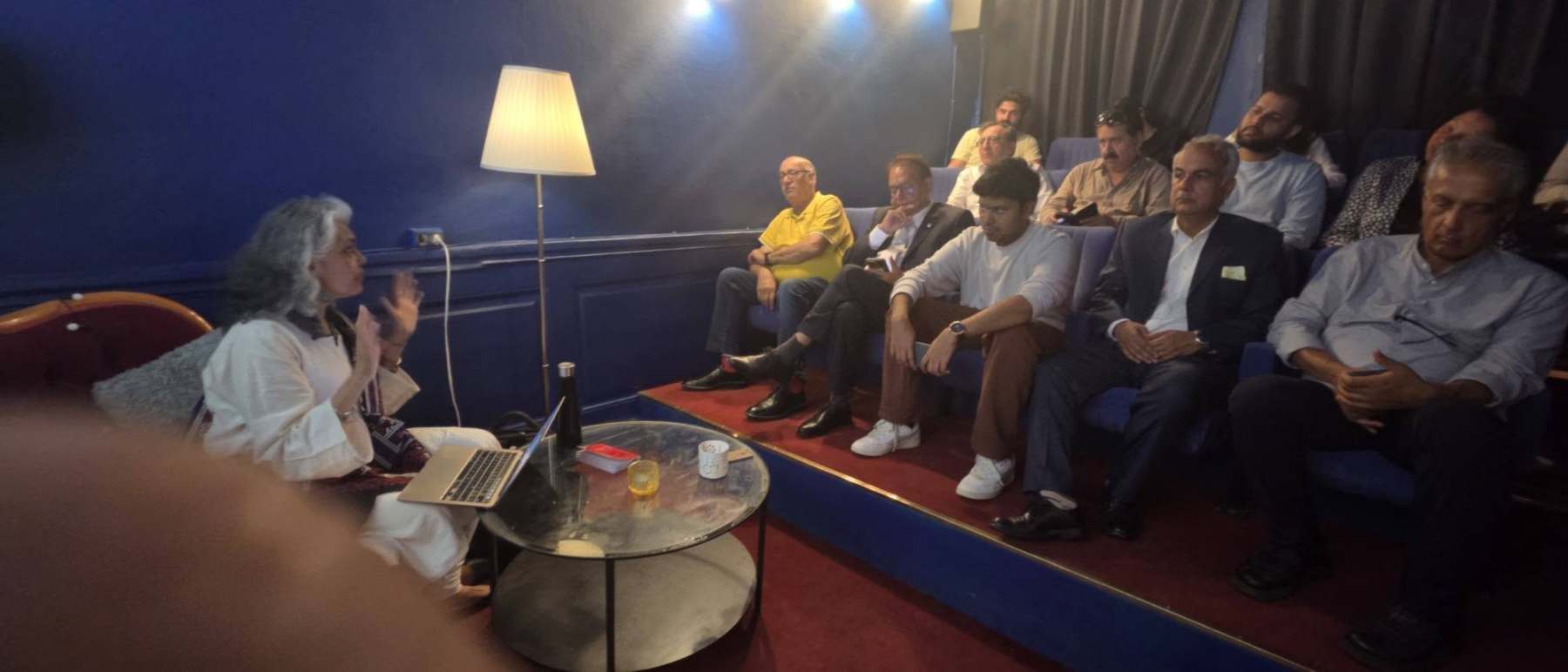
Vi kommer från olika länder, talar olika språk och bär på olika minnen av 1947. Men frågan är inte hur våra röster skiljer sig åt, utan hur de kan tala med varandra. Hur hittar vi, över gränser av nation, tro och historia, den gemensamma grund som behövs för att bygga fred och ett progressivt Sydasien? Denna sammankomst är tillägnad det samtalet – ett rum där oenighet är välkommen, dialogen skyddas och möjligheten till försoning tas på allvar. Tillsammans för talarna in indiska, pakistanska och kashmiriska perspektiv i samma rum – ett sällsynt och viktigt tillfälle till ärliga samtal över gränserna. Program Datum: 4 juli · Tid: 10.00–21.00 · Plats: Filmcentrum Riks, Bredgränd 2, Stockholm 11.00: Lunch på egen hand eller i grupp. Workshopprogram: 11.30–12.00: Questioning normalcy in Kashmir – Sarah Gilley, MA (doktorandaspirant) 12.15–12.45: Songs of Love – Dr Aamir Butt, författare (Storbritannien) 13.00–13.30: Night of the Elephant – Dr Tariq Mehmood, American University of Beirut (digitalt) 13.40–14.10: India as Media Subimperialism – Dr Farooq Sulehria Tepaus 14.30–15.00: Boklansering: India’s Imperial Formations. Race in South Asia – Dr Amrita Ghosh 15.10–15.30: The United States of Jammu and Kashmir: Pathways to Peace in South Asia – Shaukat Ali Kashmiri, ordförande för United Kashmir Peoples National Party 15.45–16.10: Bridging the Noise: Media and the Art of Solidarity in South Asia – Anuradha Bhasin (digitalt) 16.20–16.45: Om vikten av dialog, solidaritet, ekonomiskt utbyte och samarbete för fred i Sydasien, och att låta människor mötas (#MilneDo) – Beena Sarwar, grundare och chef för Sapan News Paus 18.00–20.00: Dr Ali Sher, University of Sussex, författareTalarnas presentationer (på engelska)
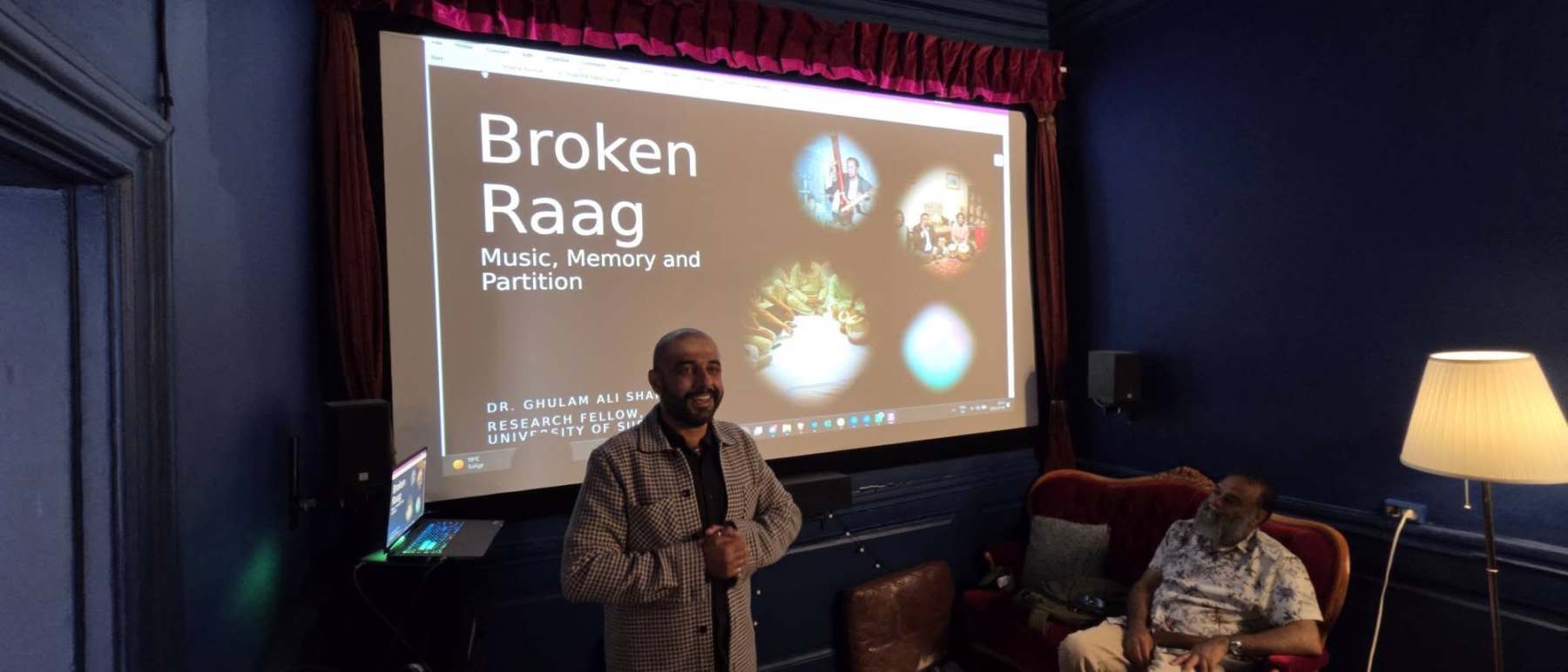
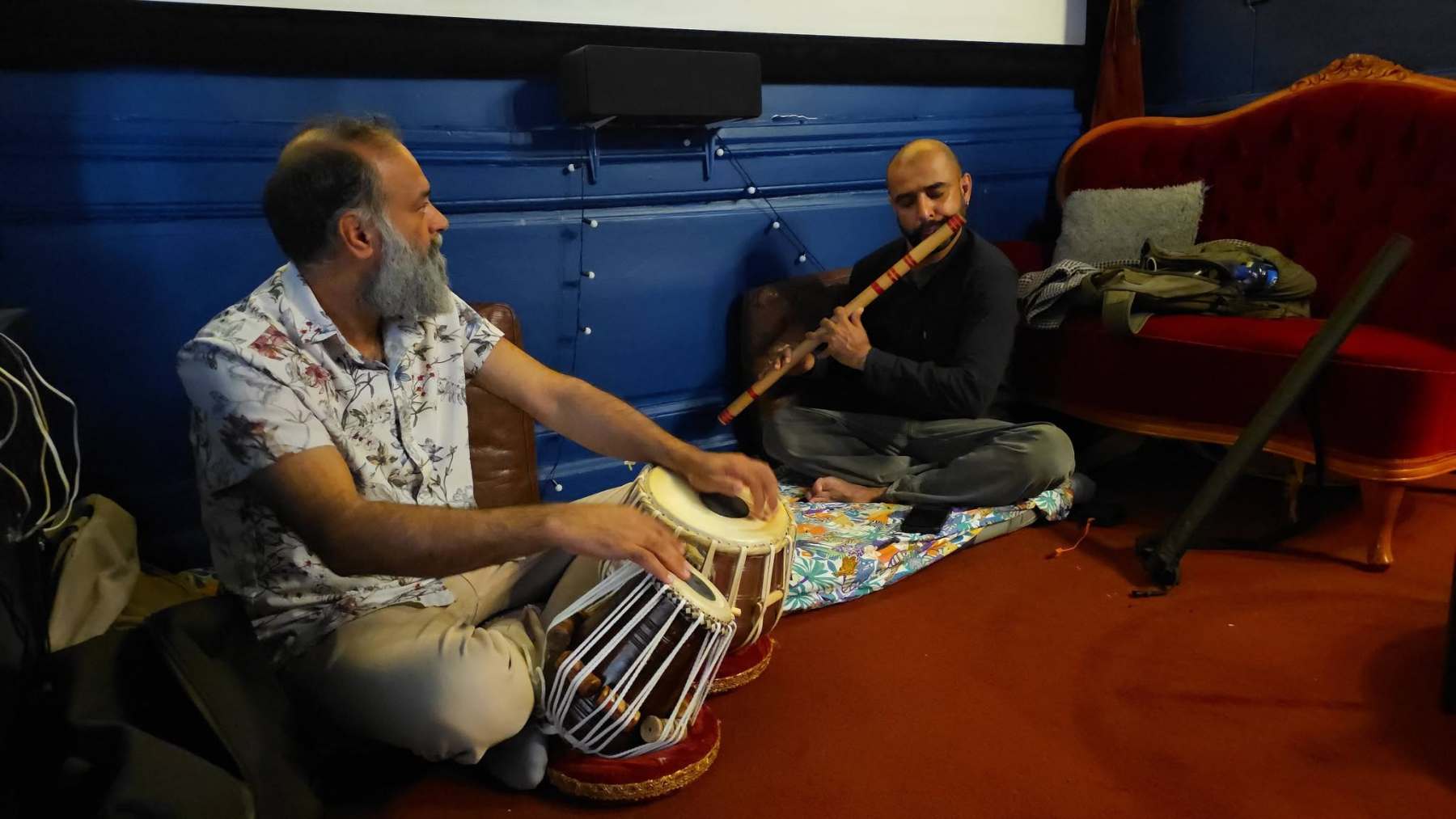
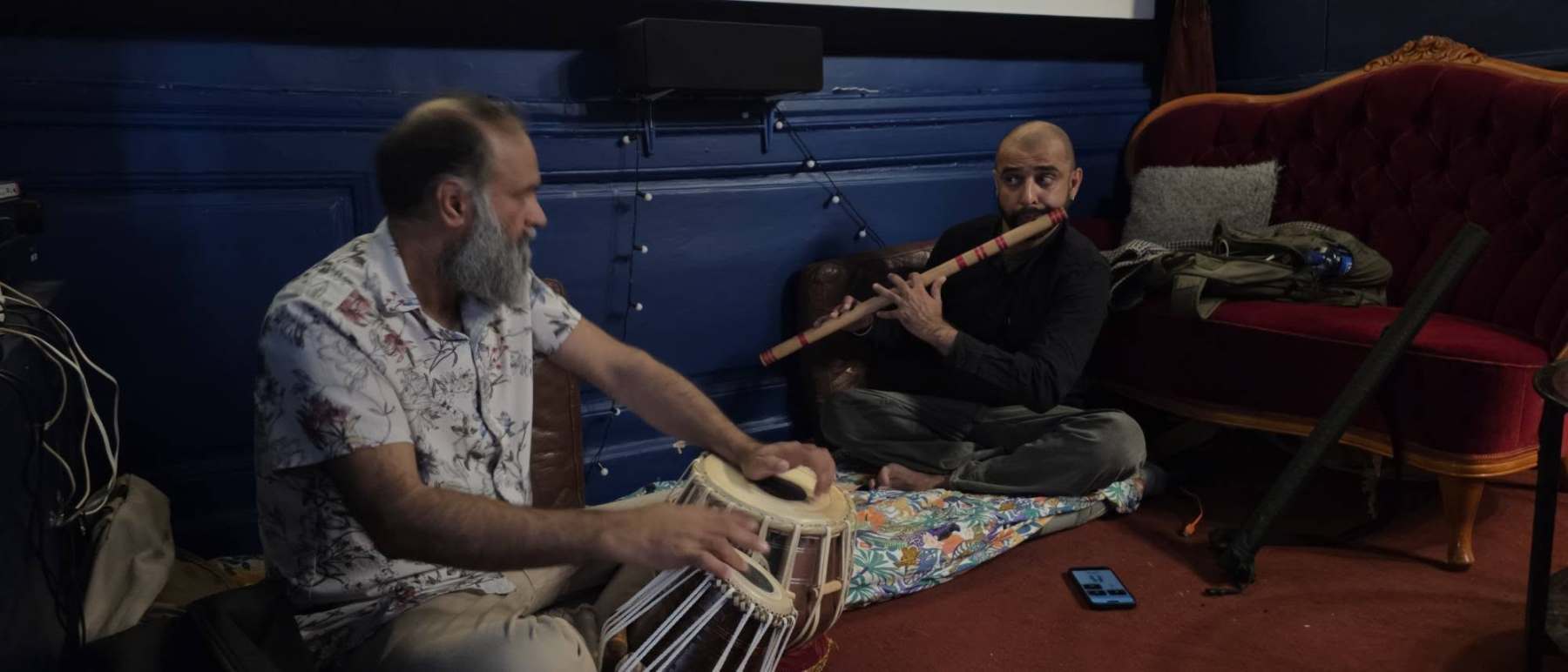
South Asia region is bound by millennia of shared history, language, cuisine, music, and memory. Yet, it is fractured by some of the world’s most volatile borders and most adversarial diplomatic relationships. While mistrust is often the default posture between states in a noisy neighbourhood, media, journalism in particular, has frequently chosen the path of amplifying chauvinism, feeding ultra-nationalism, and treating the neighbour as a permanent enemy rather than a complex society that deserves an honest coverage. This model is not sustainable, and the cost of continuing down this path is one South Asia cannot afford. The region faces existential shared challenges – climate crisis, endemic poverty, deteriorating public health systems, mass illiteracy, and deepening threats to democratic institutions that no single nation can address in isolation. Yet collaboration is near-impossible in an information ecosystem in which citizens are fed distortions, silences, and caricatures of one another rather than authentic, reported understanding. Structural and political pressures that have turned newsrooms into instruments of statecraft that need to be understood, challenged and combated. In striking contrast to this existing ecosystem, how can media, built on people-to-people engagement and collaboration, rather than government-to-government hostility, look like? How can cinema, literature, and the arts, through the shared appreciation of a song, a film, a moment, folk forms, and poetry, provide the connective tissue that official channels block? Recent geopolitical realities reveal that a divided and constantly hostile South Asia will become irrelevant. How do we envision an editorially independent cross-border media collaboration, not as idealism, but as a regional survival strategy? Dr. Amrita Ghosh India’s Cultural Productions and the Making of the Nation State,” draws on my recentmost book India’s Imperial Formations to examine how cultural productions such as films and media expression have been central to imagining and consolidating India as a postcolonial nation. It foregrounds literature, visual culture, and mediascapes as active sites where imperial power and nationalist aspirations intersect. The talk also traces how postcolonial formations continue to negotiate the residues of empire, revealing the persistence of imperial logics in contemporary socio-cultural and political imaginaries. By reading across varied visual and filmic texts, it argues that the ideology of the nation is continually produced and reinforced through narrativizing the nation’s political signifiers ithrough cultural productions. By using cinematic examples, the talk highlights the intertwinings of race, neocolonial techniques, caste and religious reimaginings in the ongoing making of the nation. Dr. Farooq Sulehria India as Media Subimperialism! Media Subimperialisms and the Rise of Global South (PalgraveMacmillan, 2026) will speak on his recent book. Dr. Aamir Butt Songs of Love In this talk I will try to present the efforts poets of Pakistan and India have made over the years to foster peace. Dr. Tariq Mehmood Tariq’s forthcoming historical novel, Night Of The Elephant (working title, Daraja Press, 2027), follows the rise and fall of Alexander the ’Great.’ Tariq says: ”Alexander is the Tarzan of antiquity — wielded across centuries as a symbol of white supremacy and colonial conquest. The undefeated genius who crushed all in his path. But is this true? In 326 BCE, on the banks of the Vitastā (Hydaspes/modern Jhelum, Pakistan), the army of King Puru (Porus) — with his war elephants, the people’s resistance, and the land itself — rose to defy and defeat the invader.” The novel is narrated through storytellers and witnesses, drawing on classical Greek sources reversed and reframed through the lens of those who resisted. Tariq adds, ”Alexander is a living ghost in the imperial machine. We need to reclaim the unifying history of resistance and build a new South Asia, free from obscurantism and military jingoism.” The unbroken raag: Music, memory and echoes of partition: Dr. Ali Sher Did the Partition of 1947 divide music as well as land? This presentation explores how raag-dari (khayal) – South Asia’s classical music tradition – lived through the rupture of borders. Drawing on ethnographic research in Pakistan, Dr Ghulam Ali Shair traces how musicians navigated new national frameworks, shifting institutions, and the loss of shared cultural spaces. Yet these traditions were never fully contained by borders. Musical lineages, repertoires, and practices continued to travel, carrying memories of a connected past. Rather than focusing only on loss, this talk asks what survives, and what still connects across a divided subcontinent. Raag-dari emerges here as both an archive of Partition’s afterlives and a living practice that unsettles the idea of fixed cultural boundaries. The presentation will include a short live flute performance, bringing these questions into sound. It invites audiences to listen differently: to hear music not just as heritage, but as a border-defying force that sustains continuity, memory, and shared experience across South Asia. This presentation examines a thought-provoking yet under-discussed concept: could a unified, federal ”United States of Jammu and Kashmir”—bringing together the territories currently divided among India, Pakistan, and China—offer a path to lasting peace in South Asia? For nearly eight decades, the Kashmir conflict has shaped the political, economic, and security architecture of the subcontinent. It has produced three wars, persistent militancy, large-scale displacement, and ongoing military tension between two nuclear-armed neighbours. Yet the voices most affected by this conflict—the Kashmiris themselves—have rarely been the primary authors of their own political future. Drawing on historical proposals ranging from United Nations Security Council Resolution 47 (1948) to the Musharraf–Manmohan Singh back-channel negotiating framework (2004–2007), this presentation considers what a hypothetical federation might offer: a reduction of nuclear tensions between India and Pakistan, the revival of ancient inter-regional trade routes, the redirection of vast military expenditures toward development and climate-change response, and the transformation of a flashpoint into a bridge between civilisations. The presentation does not shy away from hard realities. It examines why none of India, Pakistan, or China would easily relinquish territory; why the region itself—Jammu, the Valley, Ladakh, Gilgit-Baltistan, and Azad Kashmir—holds diverse political aspirations; and why an imposed unity could generate new conflicts rather than resolve old ones. It then turns toward more pragmatic ”soft” approaches: softening the Line of Control, expanding autonomy on both sides, gradual demilitarisation, and shared mechanisms for trade, the environment, and human movement. The Nordic context is especially well-suited to this conversation. The region’s tradition of mediation, its experience of reconciling cross-border identities, and its commitment to multilateral peacebuilding offer important lessons for this long-standing South Asian conflict. Ultimately, the presentation argues that whether or not a ”United States of Jammu and Kashmir” ever takes concrete form, the principle behind it—that lasting peace in South Asia requires centring the voice, agency, and welfare of Kashmiris—deserves serious attention from policymakers in Delhi, Islamabad, Beijing, and the international community. Sarah Gilley Fragile, University of Central Florida. Normalcy in Kashmir Your presence will enrich this dialogue. Join us in creating a safe space for conversation, in honouring those whose lives were shaped by Partition, and in working together toward a South Asia defined not by the lines that divided us, but by the humanity that still connects us. Mela Nordic — Art, Culture, and Human RightsTogether, they bring Indian, Pakistani and Kashmiri perspectives into the same room — a rare and vital opportunity for honest, cross-border conversation.
Event Details
More Details comingDate: 4-5th of July Time: 10:00 – 20:00 Venue: Filmcentrum Riks, Bredgränd 2, Stockholm
Registration: [please insert registration link or contact details]
Your presence will enrich this dialogue. Join us in creating a safe space for conversation, in honouring those whose lives were shaped by Partition, and in working together toward a South Asia defined not by the lines that divided us, but by the humanity that still connects us.
Mela Nordic — Art, Culture, and Human Rights
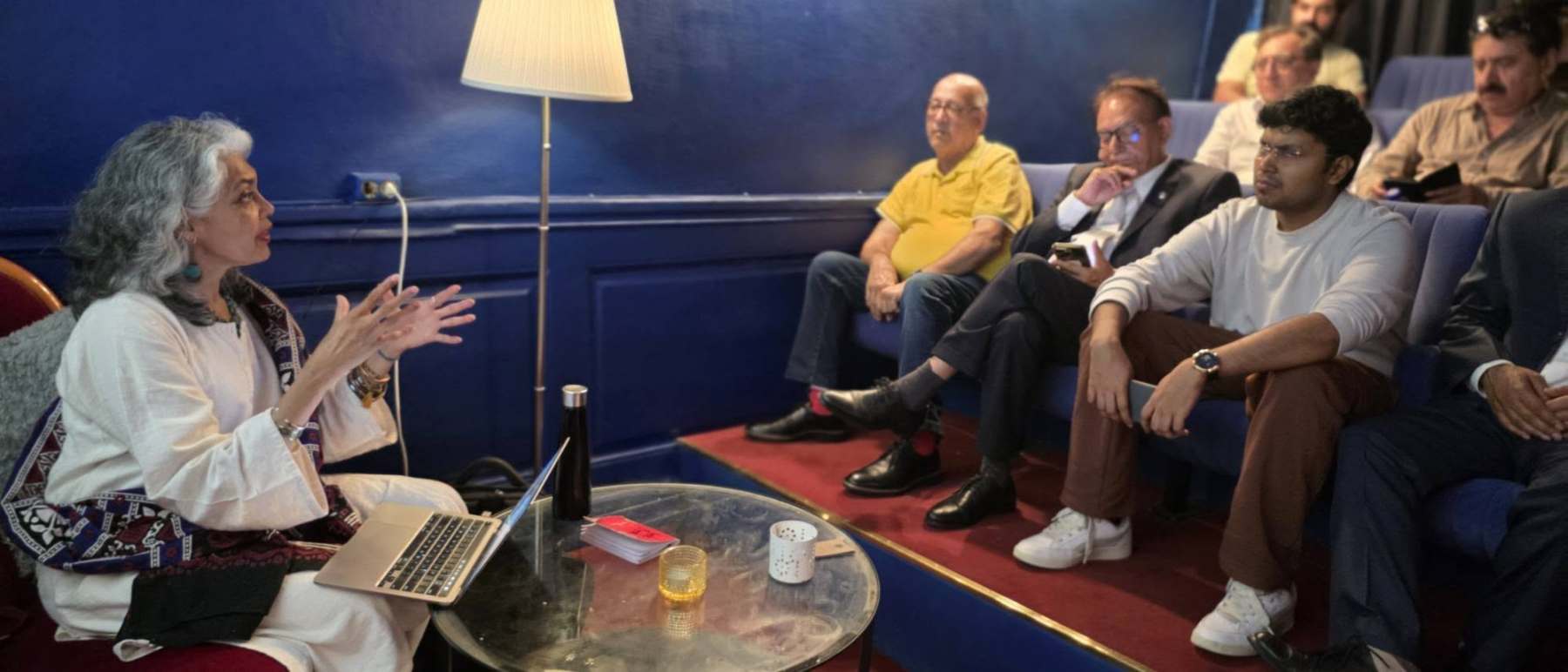
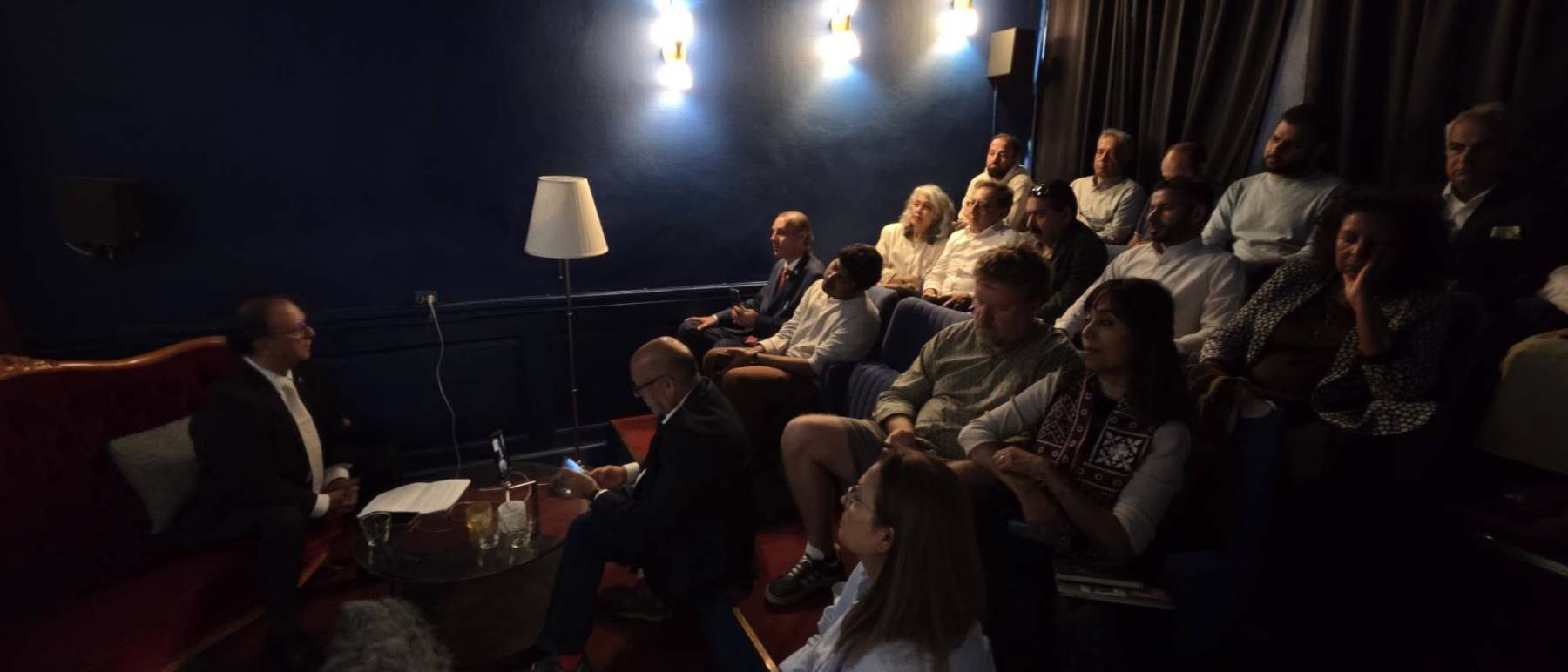
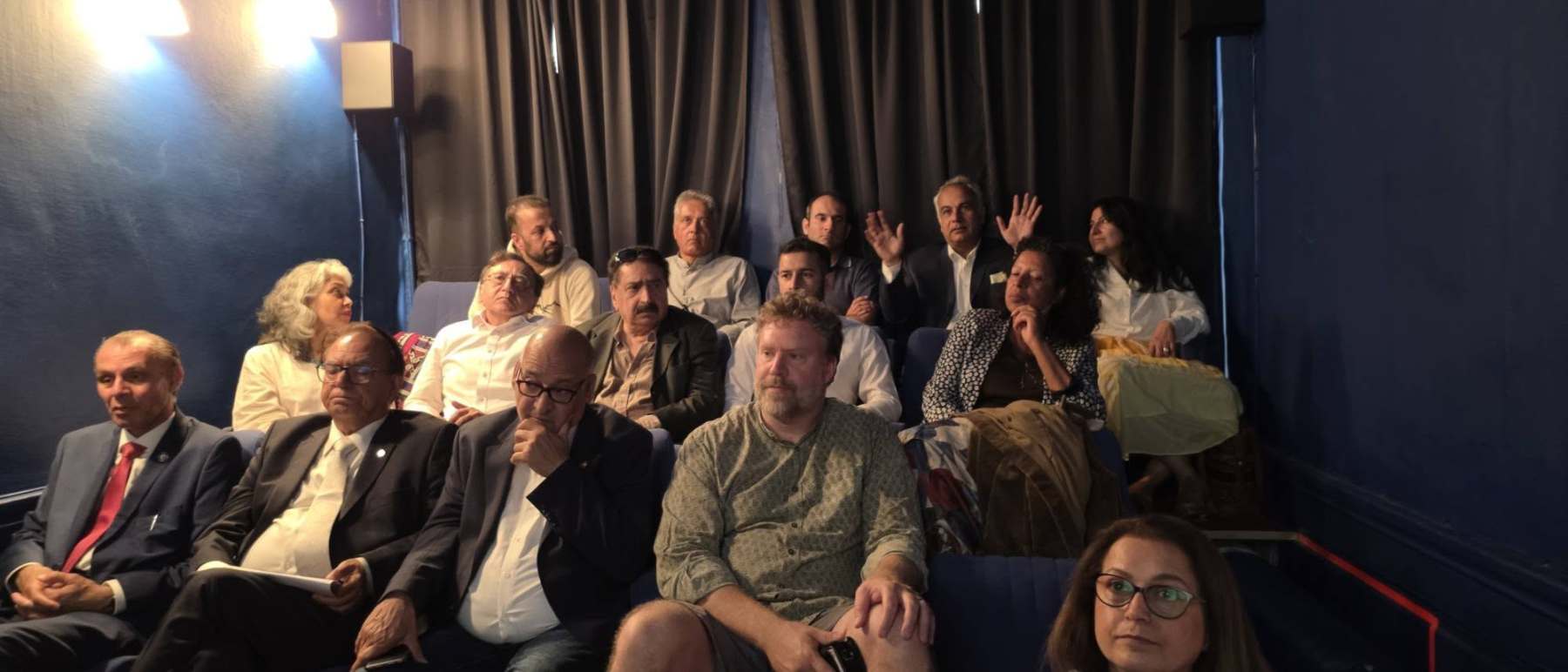
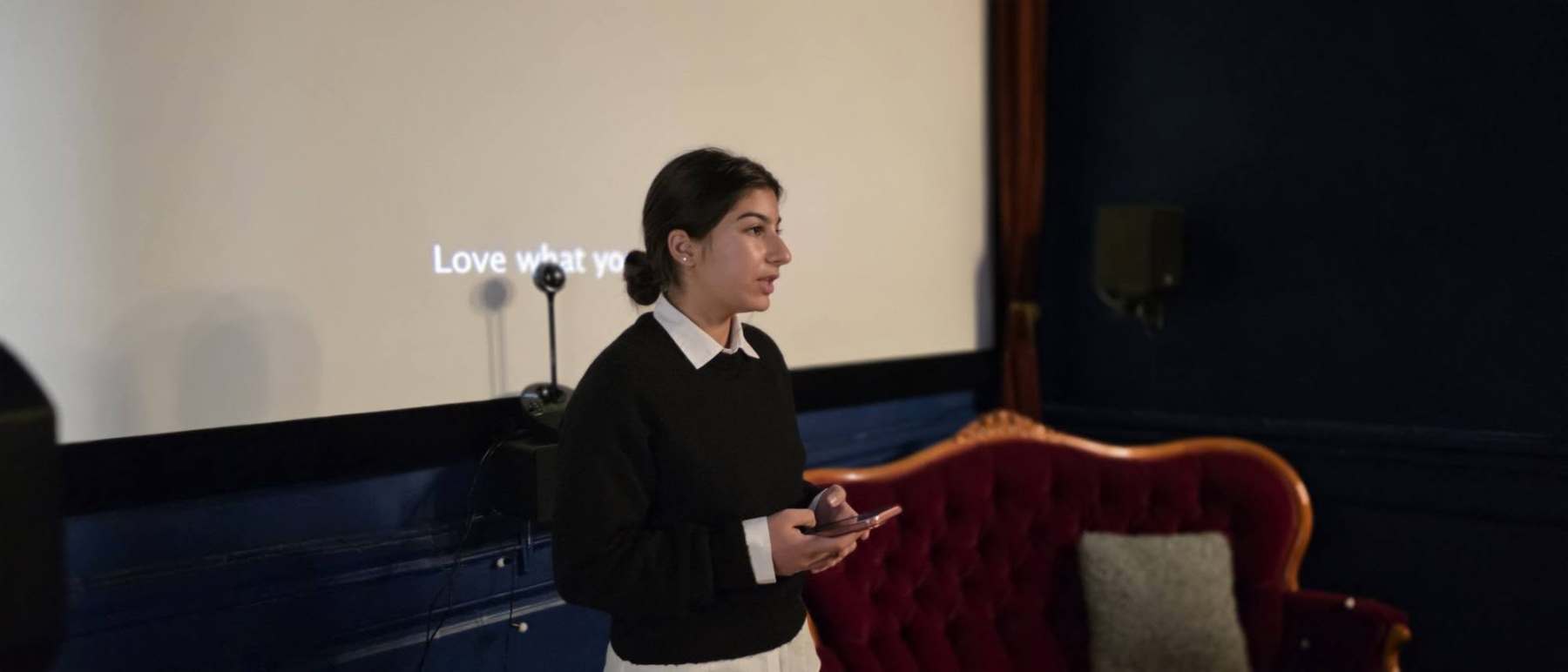
Bilder från evenemanget